Private art collection
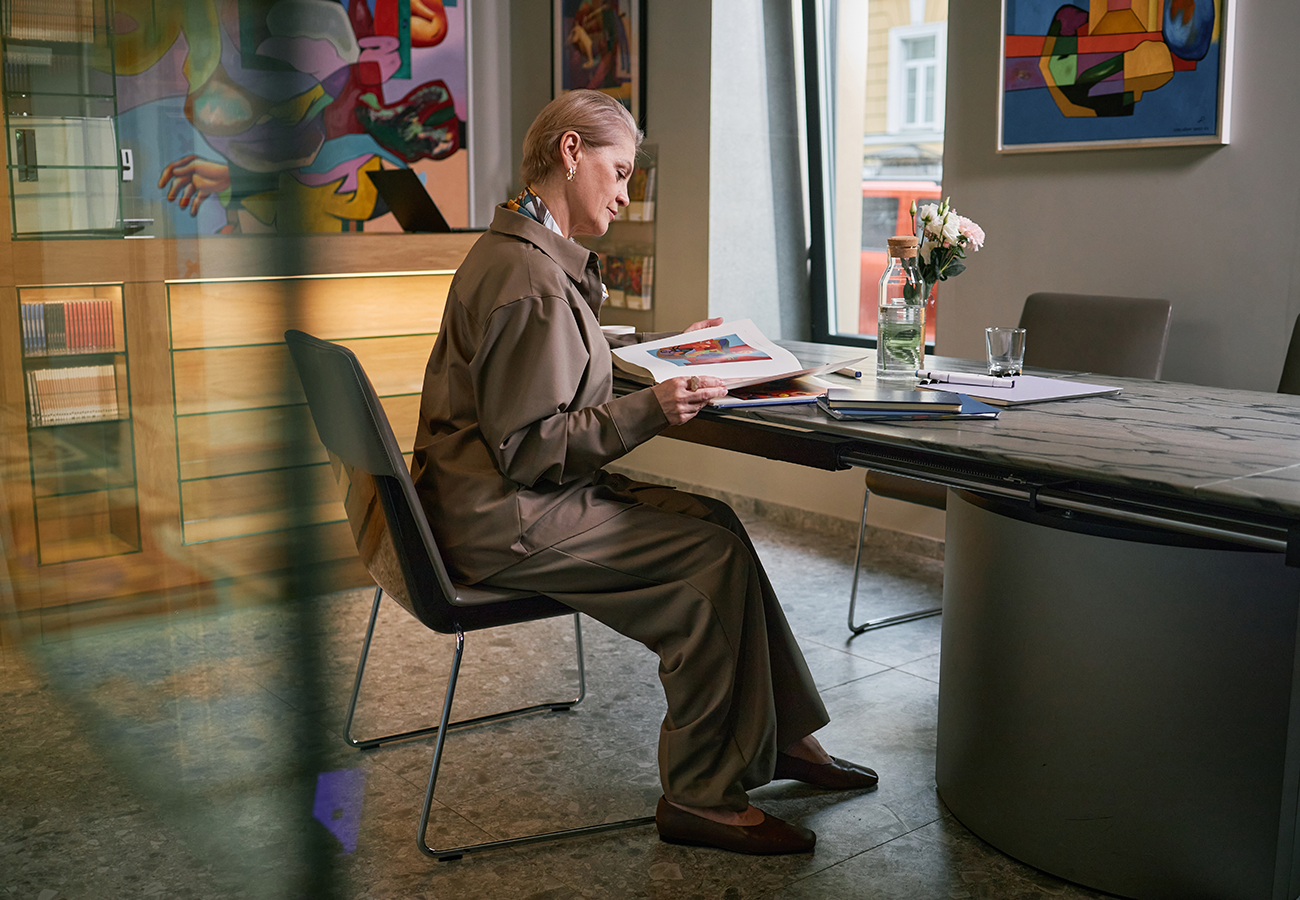
Since its foundation, Foster + Svensson has cultivated a distinguished tradition of artistic engagement that reflects and reinforces the company’s enduring cultural values. The Foster + Svensson Private Art Collection is the result of a deliberate and sustained practice of acquisition, guided by internal principles and the expertise of a dedicated art advisory council. From inherited works connected to historical figures such as Ivan Meštrović to carefully chosen pieces by globally esteemed and emerging artists alike, the collection represents a considered balance of legacy and contemporary expression. Each acquisition is made with discernment, ensuring that celebrated masters and promising new talents coexist within a continuously evolving collection.
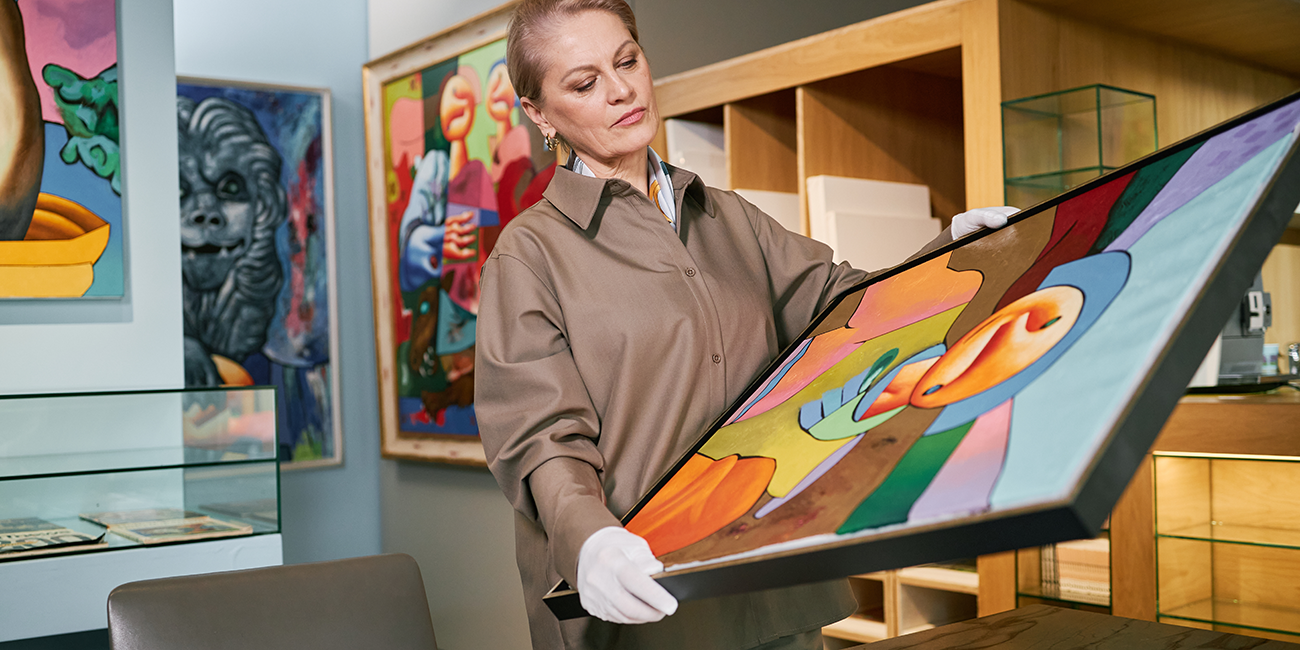
The Art Preservation program embodies the company’s philosophy that art carries enduring cultural and intellectual value. More than a repository of visual works, it reflects a commitment to preserving heritage, inspiring inquiry, and enriching understanding. Each piece, whether a drawing, painting, photography, sculpture, poster, or print, is selected for its aesthetic merit and its capacity to illuminate creative processes and resonate with both historical and contemporary currents. This stewardship honors tradition while fostering forward-looking innovation.
Fervent support for the arts serves as a testament to our beliefs in the transformative power of creativity. We have been an avid art collectors and creators for over years, showcasing a profound appreciation for artistic and cultural expression as our stronghold.
Foster + Svensson treats its art collection as part of the company’s identity and intellectual culture, rather than as conventional CSR content. We curate the collection through ideas such as legacy, artistic mastery, creative process, cultural value and dialogue between art and professional practice.
Inspiration through mastery
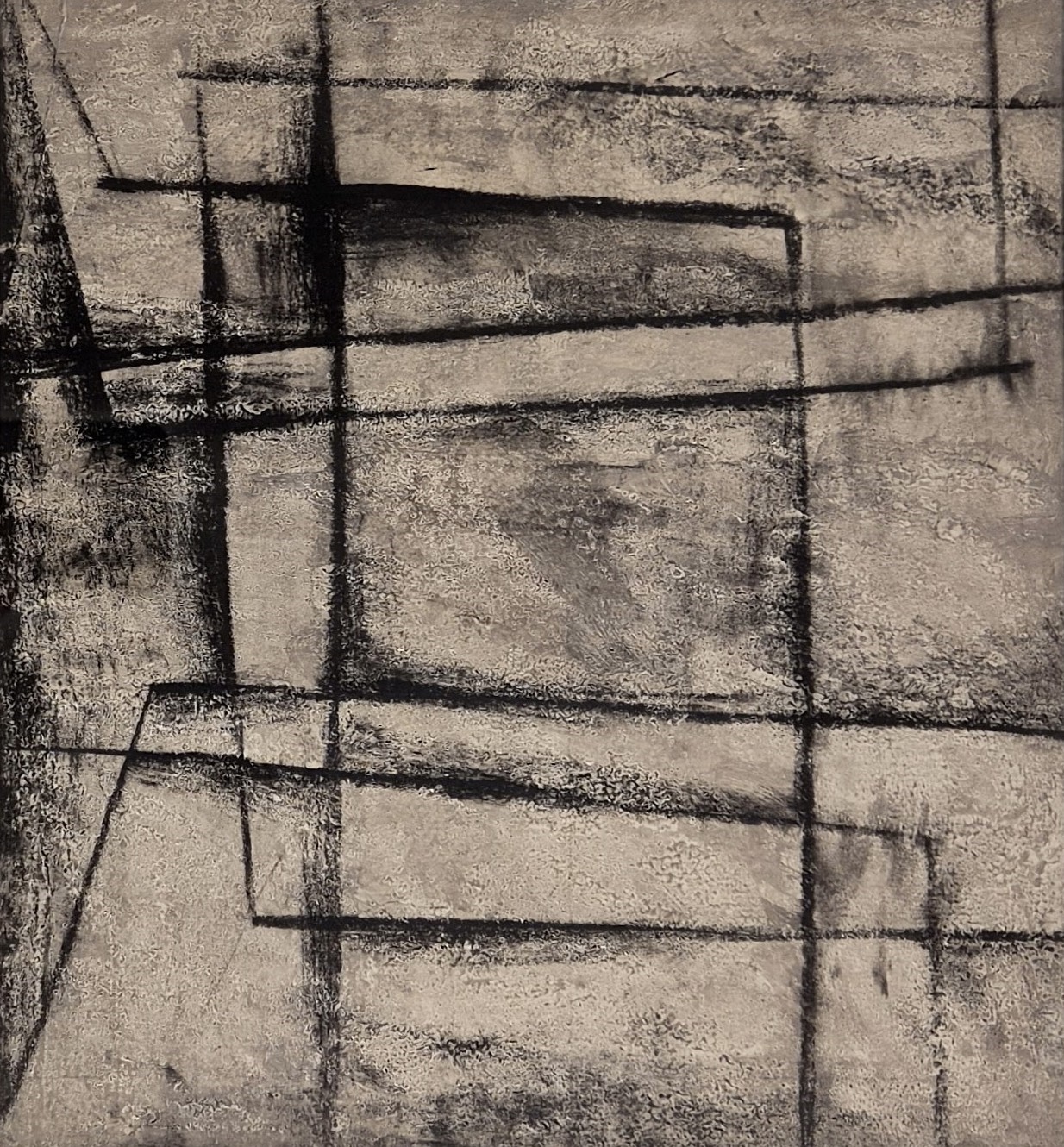
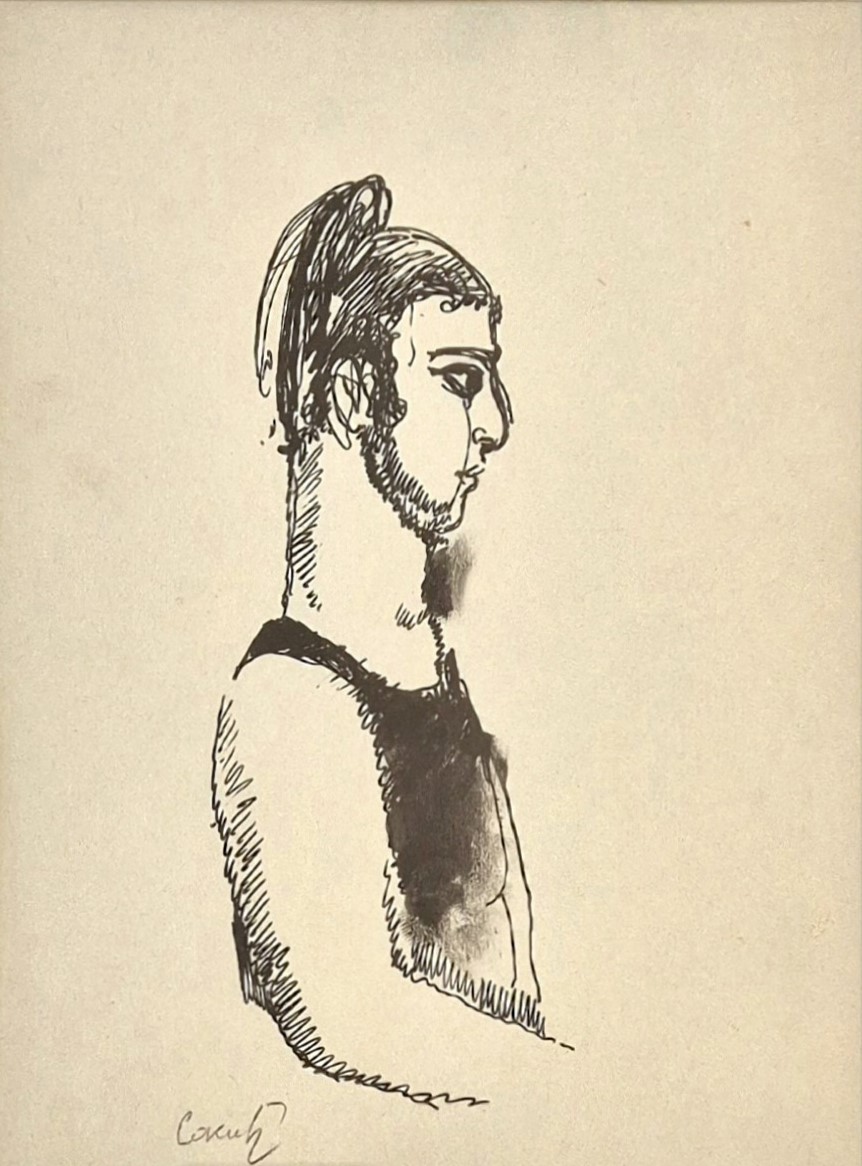
Exposure to masterpieces by luminaries such as Milan Konjević, Nadežda Petrović, Ljubica Cuca Sokić, and Victor Vasarely provides a rare opportunity for reflection, study, and inspiration. This proximity enables employees and collaborators to absorb the methods, techniques, and vision of these artists, informing innovation, strategic insight, and the company’s approach to creative endeavors. By bridging artistic mastery with professional practice, the collection nurtures intellectual curiosity, cultural literacy, and creative depth, which permeates Foster + Svensson work in design, branding, communication, and strategic projects for clients and partners.
Our depository and acqusitions include the following original artworks made by selected artists:
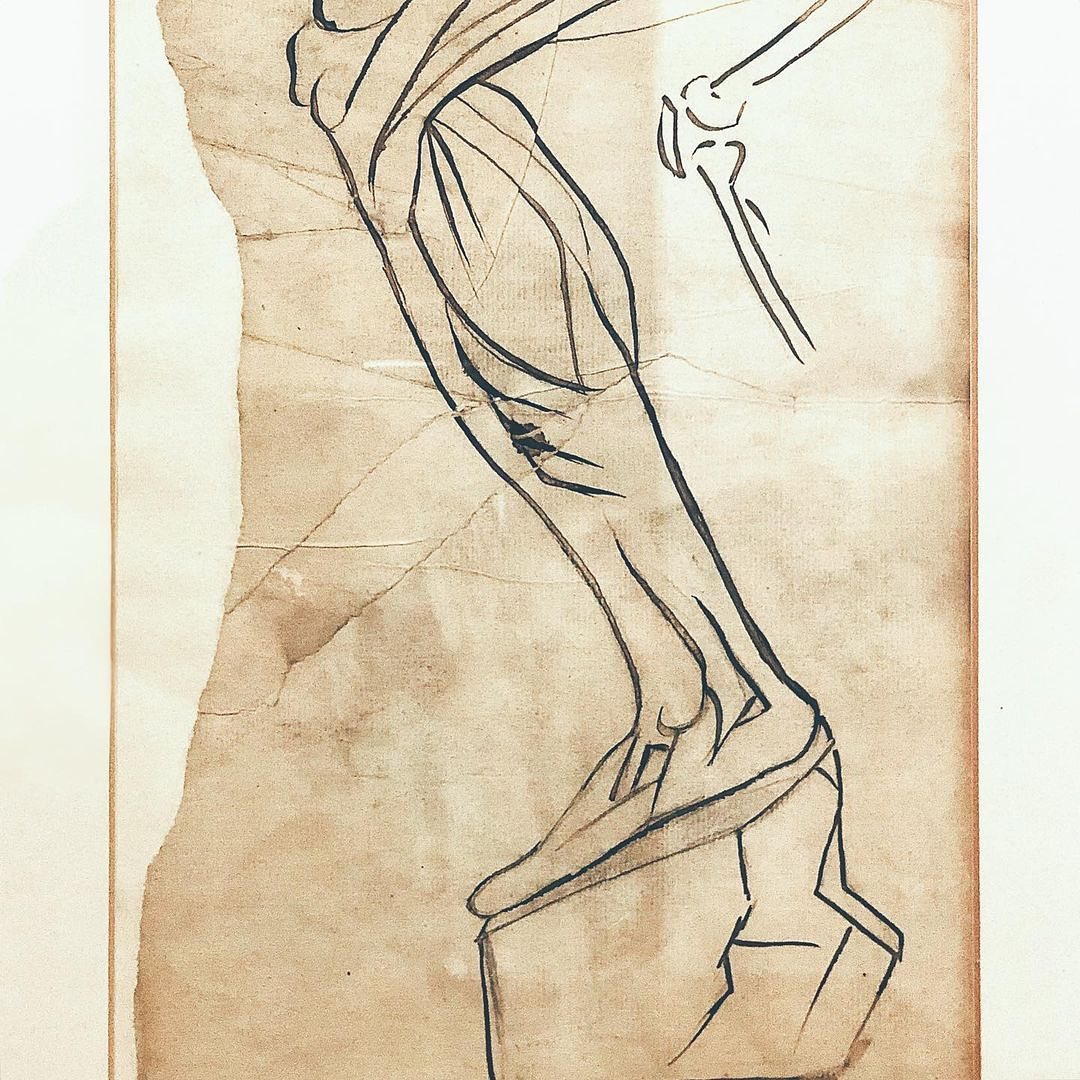
• NADEŽDA PETROVIĆ (1873-1915), “Studija anatomije noge / Anatomical study of the foot”, Munich (Germany), from c. 1899
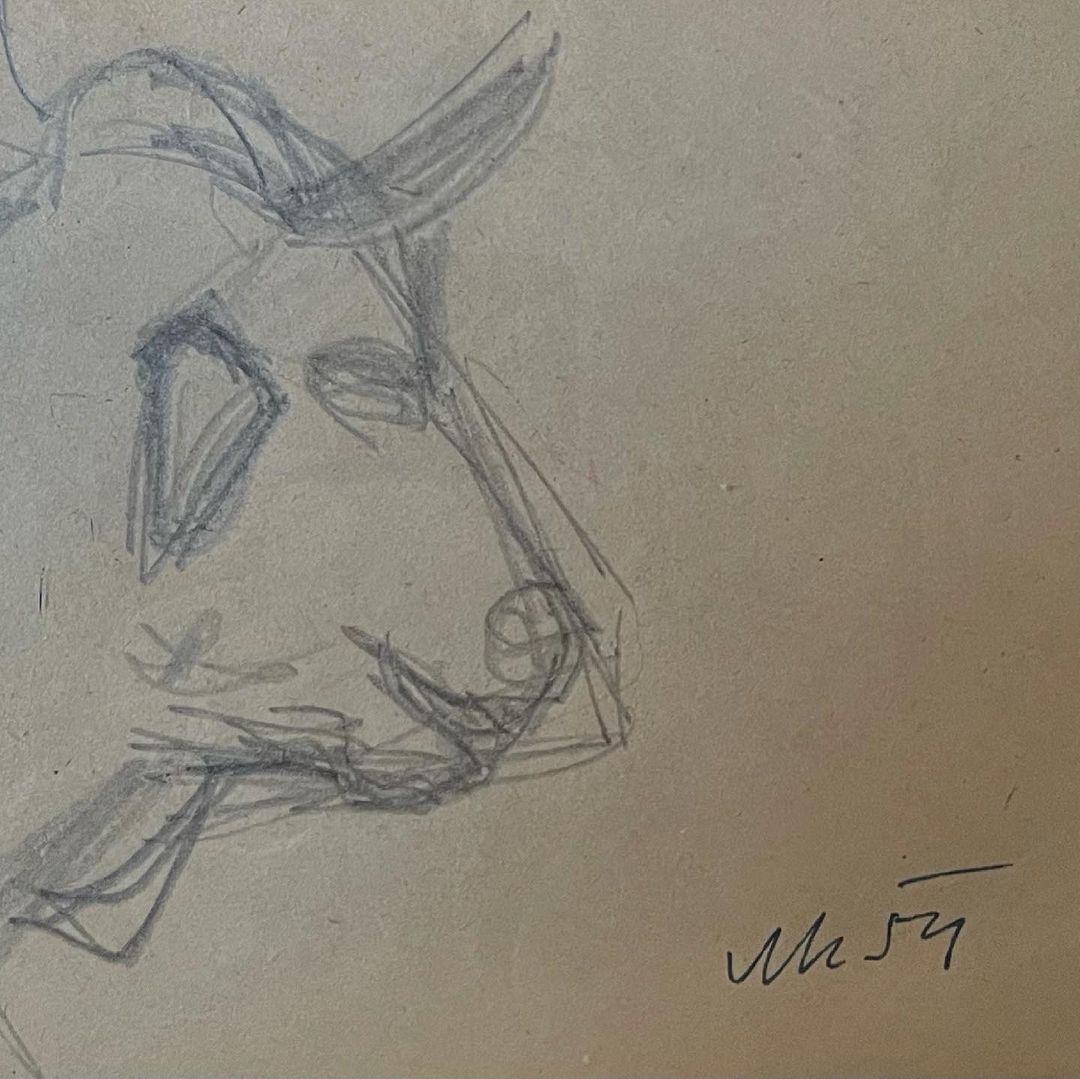
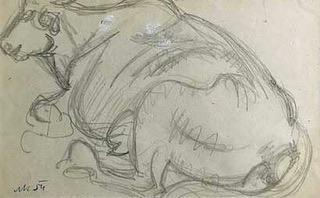
• ACADEMICIAN MILAN KONJEVIĆ (1898-1993), “Studija krave 1 / Cow study 1”, from 1954
• ACADEMICIAN MILAN KONJEVIĆ (1898-1993), “Studija krave 2 / Cow study 2”, from 1954
• JOVANA STOJANOVIĆ from the Faculty of Applied Arts in Belgrade (Calligraphy and Typeface Design academic study course in the class of Associate Professor Jana Oršolić), Belgrade (Serbia), from 2021
• VICTOR VASARELY (1906-1997), “XIV Olympic Winter Games”, Sarajevo (Yugoslavia / Bosnia and Herzegovina), from c. 1983
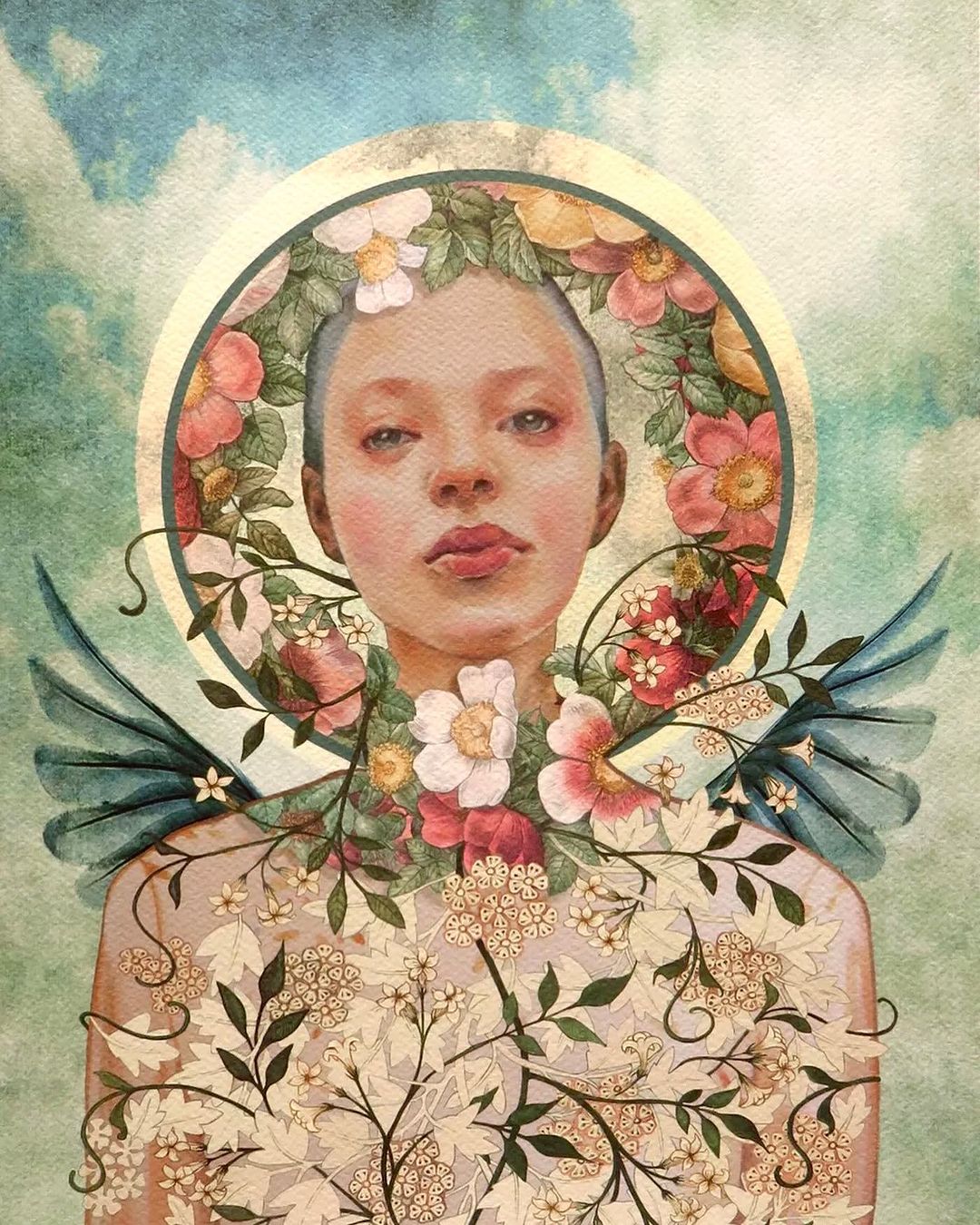
• DUNJA JUNG (1972), “Najavljujući proleće / Announcing spring”, Belgrade (Serbia), from 2022
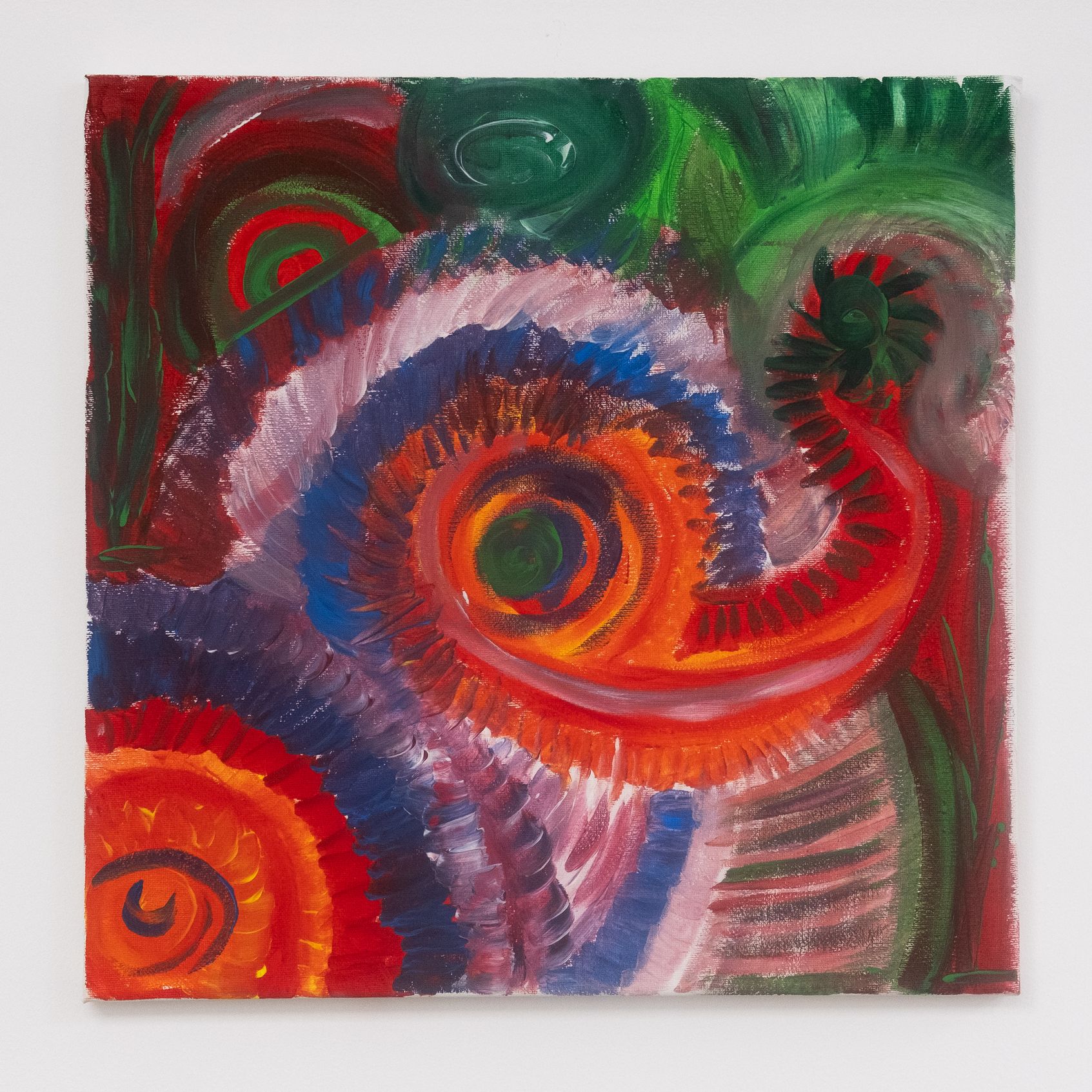
• UNKNOWN ARTIST, “Boje / Colors”, Kovin (Serbia), from 2024
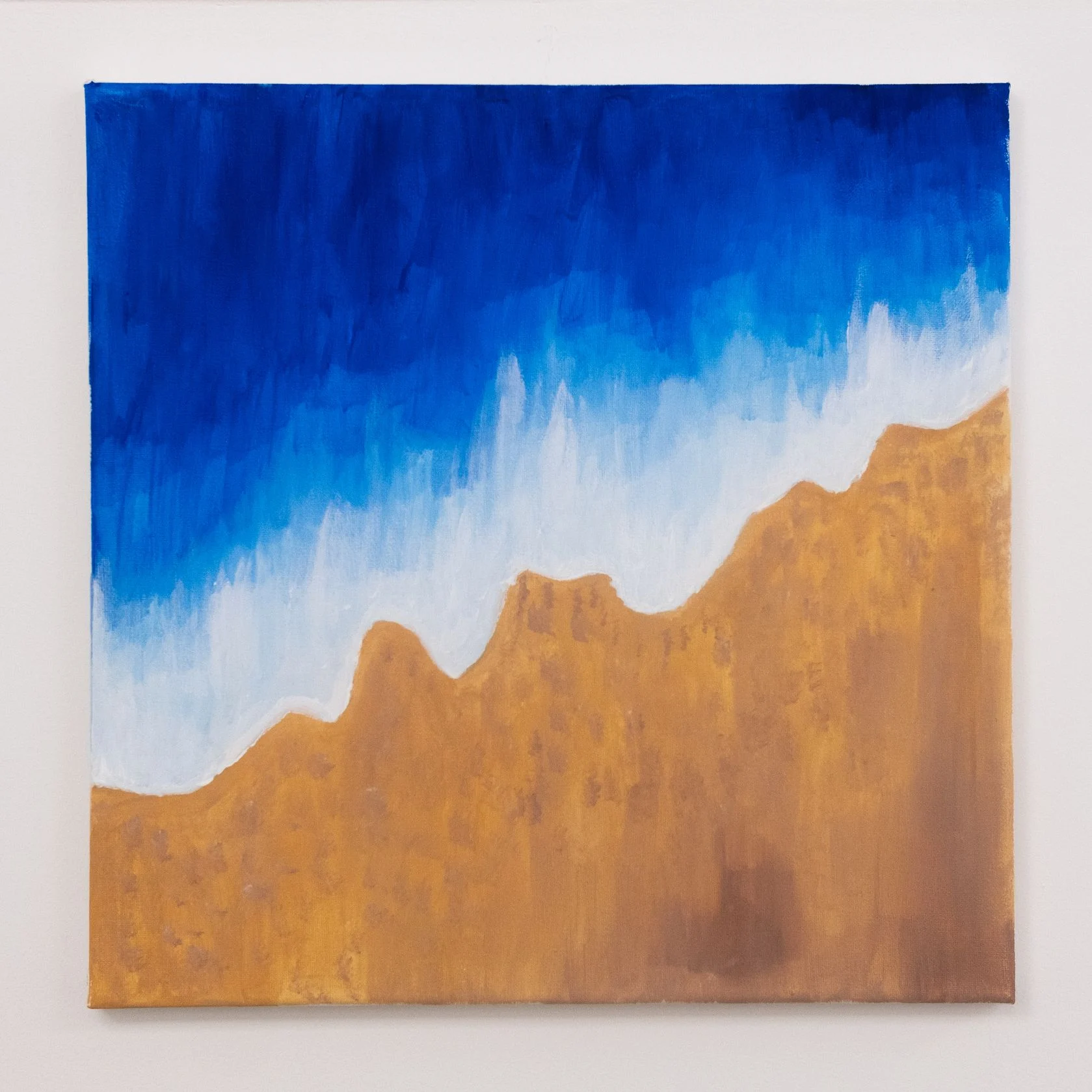
• UNKNOWN ARTIST, “Boje i plaža / Colors and the beach”, Belgrade (Serbia), from 2024
• JOHN BENNETT (1967) and GUSTAVO BONEVARDI (1960), Architect’s Cube, MoMA, New York (USA), from 2010
• ACADEMICIAN LJUBICA CUCA SOKIĆ (1914-2009), “Kompozicija 4 / Composition 4”, Belgrade (Serbia)
• ACADEMICIAN LJUBICA CUCA SOKIĆ (1914-2009), “Figura”, Belgrade (Serbia)
• DANIELA FULGOSI (1967), “Iz ciklusa figure / The Cyclus – Figures”, Belgrade (Serbia)
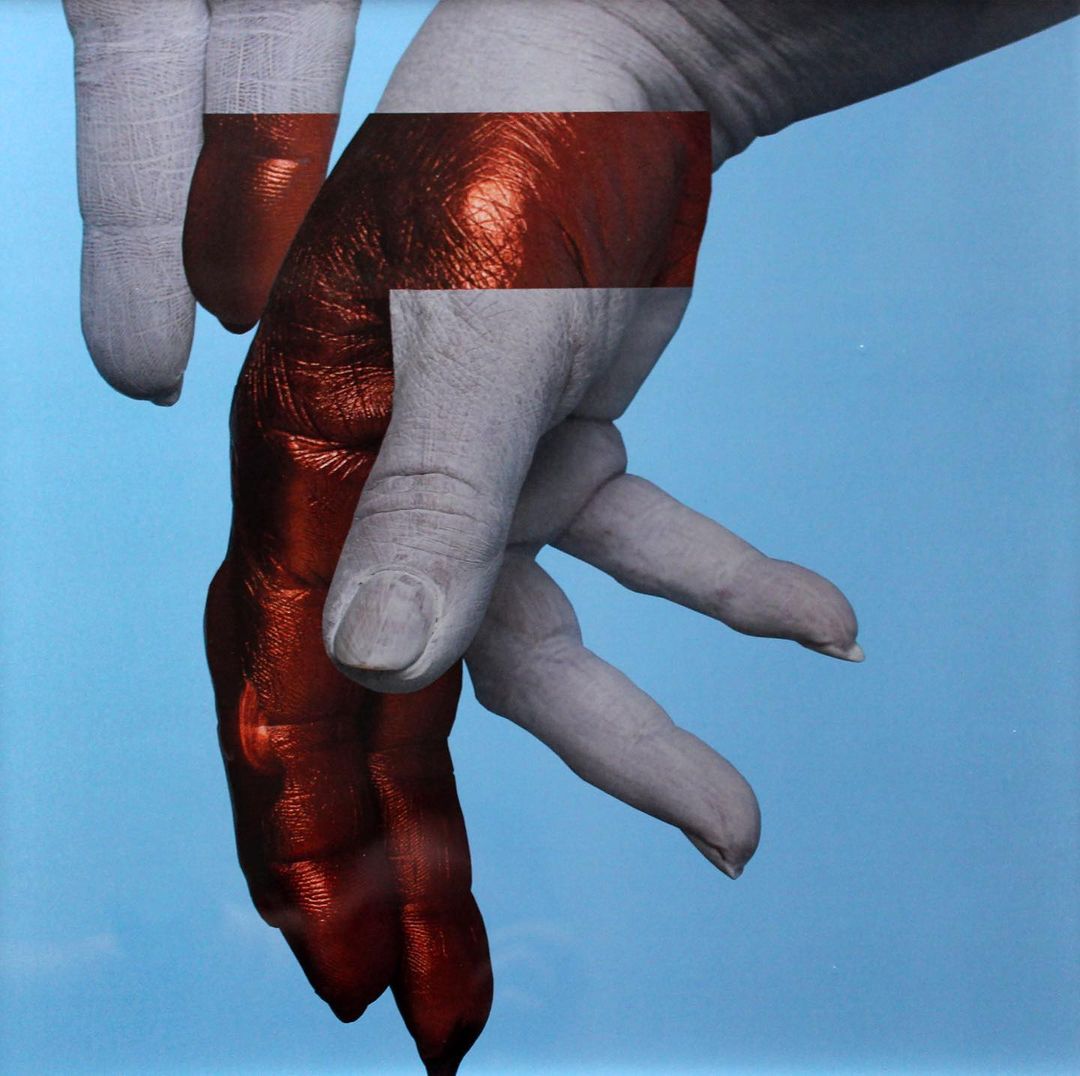
• NINA TODOROVIĆ (1973), “Journal of Walking – Graz Sessions – 03 / Dnevnik hodanja Grac 03”, 1/10 digital print, Graz (Austria) from 2015
Enduring value and legacy
A portion of profits is allocated to acquiring and preserving works, building a curated repository whose significance grows over time. Each acquisition represents not only cultural preservation but also a reinforcement of the company’s patrimony, reflecting a vision in which business success, cultural investment, and societal enrichment advance together. Through this ongoing stewardship, Foster + Svensson contributes to a cultural legacy that bridges generations, safeguarding artistic achievement while fostering creativity and insight for the future.
Through the Private Art Collection and initiatives, Foster + Svensson exemplifies a corporate identity and intellectual culture where engagement, artistic excellence, and professional rigor converge. The artworks under the company’s stewardship stand as markers of artistic brilliance, embodying a refined appreciation for creativity as a defining human endeavor. By fostering this collection, the company honors the enduring dialogue between artists and audiences, between heritage and innovation, and between artistic insight and professional practice, a dialogue that continues to shape how we think, create, and contribute to the broader cultural landscape. Through this ongoing engagement, creativity, knowledge, and cultural awareness remain at the heart of Foster + Svensson vision, strategy, and enduring legacy.
Art collecting has different dimensions. It can be a cultural and intellectual pursuit, a way of engaging with contemporary art and critical discourse, and a means of developing a meaningful corporate and family heritage. For Foster + Svensson, the collection is approached first and foremost as a long-term cultural endeavour, a carefully considered selection of artists and works that reflects our interests, values, and understanding of the role art can play in the company and beyond.
The collection is not built through acquisition for its own sake, nor according to a purely transactional or market-driven logic. Each acquisition forms part of a developing long-term collection strategy. We seek to identify artists, works, ideas, and artistic developments that are meaningful within their cultural and historical context, while considering how individual works contribute to the coherence, character, and evolution of the collection as a whole.
Particular attention is given to critical discourse and the development of artistic movements, and to artists whose practices reflect, challenge, or contribute to the cultural and intellectual history of their time. This may include established artists whose significance is already recognised, as well as emerging artists whose work demonstrates the potential to make a lasting contribution to contemporary art and culture. This approach also means that acquisition is not pro-forma. The availability of a work, an artist’s market position, or an approach made directly to the company does not, in itself, constitute a reason for acquisition. Artists and works are considered within the broader direction of the collection, with attention given to their artistic significance, cultural context, originality, quality, and their potential contribution to the collection as a whole.
Developing and maintaining such a collection requires perspectives that extend beyond the art market itself. The acquisition strategy is therefore supported by a multidisciplinary Art Advisory Board, bringing together experienced art-market professionals, curators, and art historians, alongside specialists in contemporary art, private banking, family governance, succession, and legacy. Where required, the Board is supported by independent specialists in art law, taxation, provenance and authentication, valuation, conservation, insurance, and collection management.
Together, these perspectives allow each acquisition to be considered across its different dimensions: artistic quality and significance, historical and cultural context, contribution to critical discourse and artistic development, institutional recognition, quality and rarity, provenance and authenticity, as well as its relevance to the company’s values, corporate culture, and family heritage.
The financial dimension is considered as part of responsible long-term ownership. Strategic art collecting can form part of a broader approach to wealth stewardship, corporate culture, and intergenerational legacy. The Advisory Board does not attempt to predict the future value of an artist or artwork with certainty. Its role is to provide the knowledge, perspective, and discipline necessary to make informed decisions about what deserves a place within the collection and how those works should be preserved and cared for over time.
The purpose is not simply to acquire works, but to develop a collection with a clear identity, intellectual coherence, and lasting cultural significance. We identify and preserve works that may become part of history, while giving them the context, care, and long-term stewardship necessary for their place within the collection and within the heritage of the company.
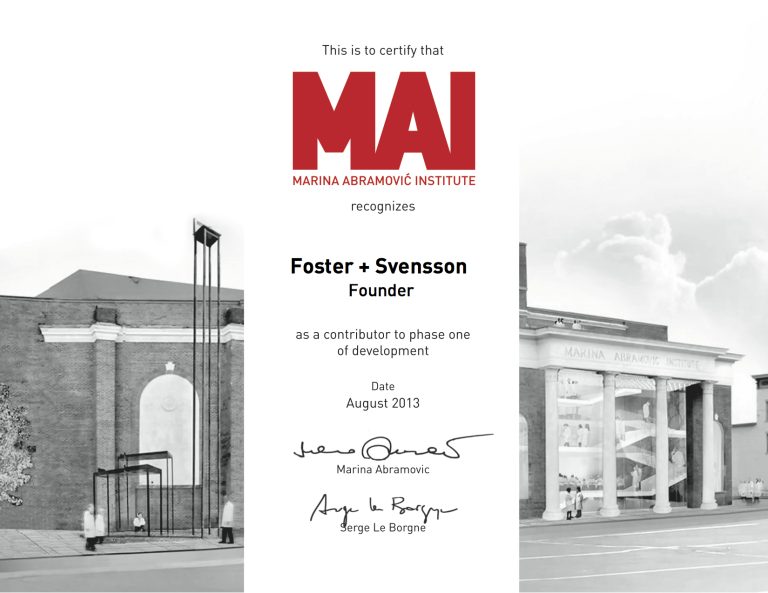
PHOTO: Certificate issued to Foster + Svensson as a Founder of MAI Marina Abramović Institute.
Supporting artists can also mean helping create the institutions through which art becomes part of history. Foster + Svensson’s engagement with contemporary art extends beyond collecting and preservation. It also includes supporting artists, cultural initiatives, and the institutions through which artistic ideas can develop, reach wider audiences, and endure.
In 2013, Foster + Svensson became one of the founding contributors to the Marina Abramović Institute (MAI), supporting Marina Abramović in the early development of what was conceived as an international platform dedicated to long-durational performance and interdisciplinary artistic practice. Foster + Svensson contributed both financially and through its professional expertise in public relations and strategic communications, working directly with the MAI Press and Media team to support the international visibility of the initiative and its fundraising campaign.
The campaign was launched with a goal of US$600,000 and a defined 30-day fundraising period, running from 26 July to 25 August 2013. The US$600,000 target was reached before the end of the 30-day campaign, an achievement communicated through Foster + Svensson’s PR activities and subsequently reported by Serbian and international media. By the conclusion of the campaign, 4,765 contributors had pledged US$661,452, exceeding the original target (110%+) by more than 10%. The result was subsequently recognised by Guinness World Records as the most money pledged to a Kickstarter art project at the time.
Working in direct coordination with the MAI Press and Media team, Foster + Svensson provided strategic PR and media relations support throughout the campaign, helping generate international visibility around the initiative and communicate the fundraising milestone as it was achieved. The campaign generated more than 270 media features across leading international and national outlets, including AP Associated Press, The New York Times, CBS, Der Standard, SRF, El País, Die Welt, ARTE, DPA, WDR, Die Zeit, RIA Novosti, Le Figaro, The Guardian, Sky Arts, Reuters, AnOther, and prominent Serbian media.
The breadth of coverage was significant not only in volume, but also in the range and profile of media reached. Interviews, reports, features, and articles brought attention to Marina Abramović, the proposed Institute, the fundraising campaign, and the wider cultural significance of creating a permanent platform for long-durational performance and interdisciplinary artistic practice. The media results and campaign documentation are supported by Foster + Svensson’s historical records, including press releases, media clippings, published articles, screenshots, print coverage, and other campaign materials.
The contribution was formally recognised by MAI through a founding certificate, acknowledging Foster + Svensson among those who helped make the Institute possible. The company therefore became connected not simply to an individual artwork or exhibition, but to the creation of an institution intended to preserve, develop, and advance a significant field of contemporary artistic practice.
For Foster + Svensson, this experience remains an important part of its relationship with art. The Private Art Collection represents one expression of that relationship through the acquisition, preservation, and study of artworks. MAI represents another: supporting an artist and helping build the cultural infrastructure through which artistic practice can be developed, communicated, preserved, and shared.
It also reflects something fundamental to Foster + Svensson’s broader approach: professional expertise can become a meaningful contribution to culture when applied with purpose. In the case of MAI, strategic communications and public relations were used not simply to generate visibility, but to help mobilise an international audience around a cultural initiative, communicate its progress, and contribute to a measurable fundraising result.
Together, the collection and the MAI experience reflect a broader philosophy – that engagement with art is not limited to ownership. It can also mean recognising artistic significance, supporting cultural development, contributing expertise, and helping create the conditions in which art can become part of history.
Foster + Svensson collects and preserves art, but it can also help create what comes next. The Private Art Collection is therefore more than a record of ownership. It is a statement about our relationship with art, culture, expertise, judgement, and legacy.
Creating history – live.